
Finding Strength in the Storm: Learning to Trust God Through Life's Trials
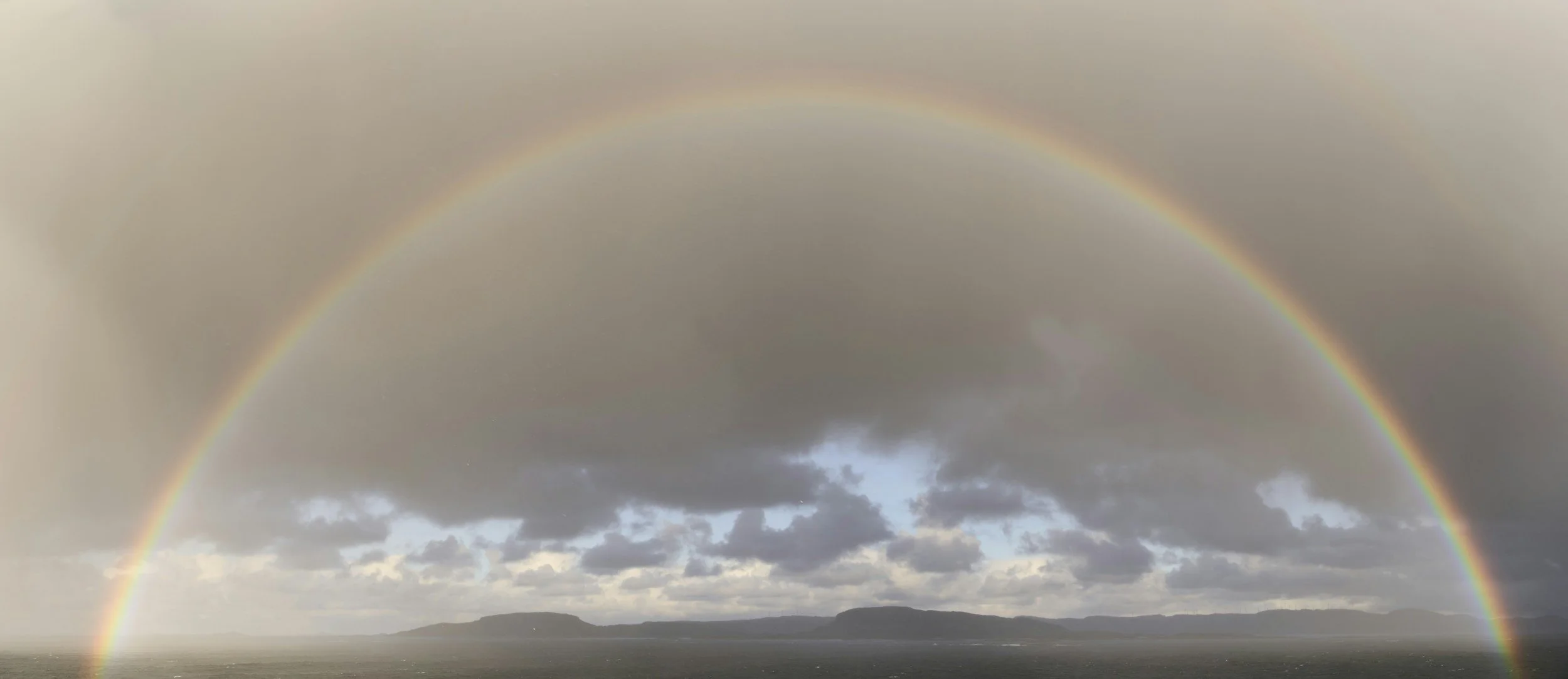
Life has a way of throwing unexpected challenges our way. One moment we're sailing smoothly, and the next we're battling waves we never saw coming. The question isn't whether storms will come—it's how we'll respond when they do.
Anyone can trust God when the sun is shining, the bank account is full, and everything is going according to plan. But what about those seasons when nothing makes sense? When the diagnosis comes back unfavorable? When the relationship crumbles? When the job disappears? Those are the moments that reveal what we're truly made of.
The Promise of Restoration
There's a powerful principle woven throughout Scripture: what the enemy steals, God promises to restore—and not just restore, but multiply. The Old Testament law required a thief to pay back seven times what was stolen. This wasn't just about material possessions; it speaks to a spiritual reality that still applies today.
When the enemy comes to steal your peace, your joy, your relationships, or your hope, God promises restoration that exceeds the original loss. More peace than before. Greater joy than you've known. Deeper strength than you thought possible. The prophet Joel declared this truth: "I will restore to you the years that the locust has eaten."
This isn't about wasted time or missed opportunities. God specializes in redemption. He takes what looks like loss and transforms it into gain. Those who feel they came to faith "too late" need to hear this: God doesn't waste anything. He multiplies the years ahead and makes up for what feels lost behind.
What Not to Do in the Wilderness
The journey from bondage to blessing often leads through a wilderness. Israel's experience offers us a roadmap—not just of where to go, but of what to avoid along the way. What should have been an eleven-day journey became a forty-year ordeal because they didn't know how to behave in the desert.
1. Don't Complain
Murmuring and complaining do more damage than we realize. When we complain, we attack God's goodness, wisdom, and character. We question His love. But here's a truth worth remembering: God is too loving to be cruel and too wise to make a mistake.
Complaining also acts like a predator call, attracting the enemy into our situation. Just as hunters use calls to lure animals, our complaints signal vulnerability to spiritual forces that want to finish us off. The devil shows up when we whine, ready to bring more chaos into circumstances that are already difficult.
2. Don't Doubt
Every trial we face has one primary objective: to get us to doubt God. From the very beginning in the Garden of Eden, the enemy's strategy has been the same: "Did God really say that?" He wants us to question what we know to be true, to second-guess God's word, and to focus on lies instead of truth.
The parable of the sower illustrates this beautifully. The seed is God's word, but it can only grow in good soil. Hard hearts, rocky ground, and weed-infested gardens all represent different ways we allow doubt to choke out faith. We must guard the word continually, removing anything that causes us to doubt God or dampens our faith.
3. Don't Forget to Praise
Here's a simple choice: we can either complain and remain, or praise and be raised. Worship has power that worry never will. In fact, forty percent of what we worry about never happens, thirty percent has already happened, ten percent doesn't really matter, and only eight percent is even remotely legitimate. We waste enormous energy on worry when we could be investing that same energy in worship.
Around the world, believers are praising God in circumstances far more difficult than most of us will ever face. In places where Christians whisper their worship and press their hands together silently to avoid detection, they understand something we often forget: the privilege of lifting our voices freely to God. We live in the promised land but sometimes take for granted the goodness we've been given.
4. Don't Focus in the Wrong Direction
When problems arise, our natural instinct is to run away from them. But there's wisdom in the behavior of bison on the plains. When a storm approaches, while other animals flee, the bison turns and runs into the storm. Why? Because if you're running toward the storm while it's moving toward you, you'll get through it faster than if you're running away while it chases you.
God calls us to be mountain movers, not mountain builders. We're meant to speak to the problems in our lives, to face them with the power of God rather than magnifying them through fear and focus. The joy of the Lord is our strength, and we need to stir up the gift that's within us—the power of God on the inside.
The Danger of Ignoring Warning Signs
A few years ago, a submersible called Titan imploded on its way to view the Titanic wreckage, killing everyone aboard. Investigators discovered that everything was preventable. Warning signs were ignored. Fatigue marks on the carbon shell went unaddressed. Standard safety certifications were bypassed. The owner didn't want to spend money on a properly certified window. Accountability was avoided.
The spiritual parallels are sobering. We cannot ignore warning signs in our own lives—the fatigue, the sense that something needs fixing on the inside, the knowledge that we're not as strong as we used to be. We cannot bypass the price of prayer and time with God. We cannot avoid accountability, especially men who need other men willing to risk friendship to speak truth.
The problem is rarely on the outside. Just like a deflated basketball that looks fine externally, the issue is internal. If we don't fix what's inside, we'll never fulfill our potential. We need God to heal us, to fill us, so that the pressure inside pushes back against whatever pressure the world applies from outside.
Making Good Decisions at His Feet
In the story of Mary and Martha, Jesus made a profound statement: Mary, who sat at His feet, made the better choice. The principle is clear: Good decisions are made at the feet of Jesus. Bad decisions are made on the run.
Jonah made all his decisions while running from God—choosing the wrong direction, the wrong boat, the wrong companions. And at the first sign of trouble, those companions threw him overboard. When we make decisions away from God's presence, we end up in places we never intended to go.
Building up inner pressure happens in God's presence. When we sit at His feet, when we fill ourselves with His word, when we soak in His presence, we're being equipped to walk back into a crazy world without folding or crumbling. We walk out full of the Holy Spirit, carrying His presence, ready to push back against whatever comes our way.
The Urgency of Today
Life is uncertain. Success in this world means nothing if we're not prepared for the next. The rich man and Lazarus both died, but only one had prepared for eternity. Wealth, status, comfort—none of it matters on the other side if we've missed the most important relationship of all.
There's a reward the enemy has placed on every head, a desperate attempt to destroy what God loves. But there's also an invitation extended from heaven, a call to come home, to know the One who made us and loves us beyond measure.
Life is better with Jesus than without Him. He takes trauma and brings healing. He takes brokenness and brings wholeness. He takes the mess we've made and creates something beautiful.
The invitation stands. The door is open. And the decision we make today echoes into eternity.
Because when we know who God is, what He has, and what He can do, we discover who we are, what we have, and what we can do. And the enemy? He has nothing. He can do nothing against those who belong to God.
The storm may be raging, but there's One who speaks peace to the wind and waves. And He's inviting you to trust Him through it all.