
The church is not peripheral — why the local church still matters
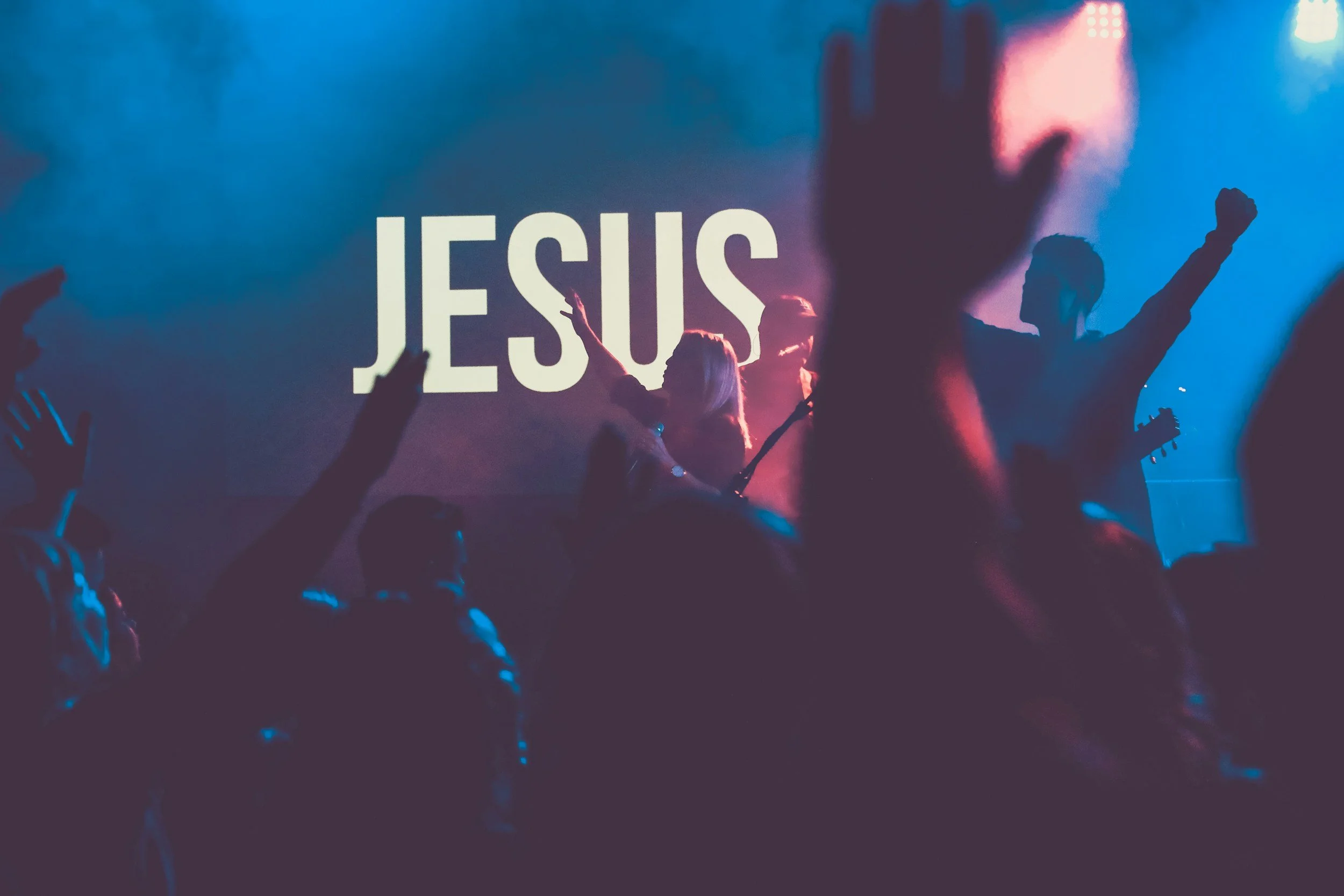
There's a growing tendency to treat the church as optional — a subscription service we keep meaning to cancel. But what if we've had the whole thing backwards?
Some people dismiss the church entirely. Others attend sporadically. Still others show up physically while remaining emotionally and spiritually checked out — going through the motions without any real expectation that something meaningful might happen.
But Ephesians 1 offers a perspective that flips the whole thing upside down.
Paul describes Christ as ruling over everything — galaxies, governments, all of it — with absolute authority. And then he makes a stunning declaration: the church is not on the edges of what Christ is doing. The church is at the center of it. Christ speaks through the church. He acts through the church. He fills everything with His presence through the church.
THE PERSPECTIVE SHIFT EPHESIANS 1 INVITES
HOW WE TEND TO SEE IT
The church is a peripheral institution in a busy, important world.
→
WHAT SCRIPTURE ACTUALLY SAYS
The world is peripheral. The church is the focal point of what God is doing.
That realization should change everything about how we approach gathering together.
God has no Plan B
Matthew 16:18
When Jesus declared that He would build His church, He didn't say He might build it, or that He hoped to build it. He said He would. That promise carries two implications worth sitting with.
TWO THINGS THAT PROMISE GUARANTEES
God is actively working on imperfect people. The church has never been a collection of polished, finished human beings. It is a community under construction. God isn't waiting for perfect people to show up before He gets to work. He is doing the work right now, in the middle of the mess.
The church is God's chosen instrument — and there is no backup plan. When God looked at a broken world and decided to fill it with hope, He chose the church to be the distributor of that hope. If your workplace needs Jesus, that's why you're there. If your neighborhood needs hope, that's why you live there. And the local church is where you come to be filled up, equipped, and sent back out.
Are you still in the shallow end?
Philippians 3 · Hebrews 5:12
One of the most honest assessments we can make of our spiritual lives is a simple question: am I still in the shallow end of the pool?
The shallow end is comfortable. You're in control. You can splash around without real risk. But you cannot be discipled in the shallow end. You cannot spiritually lead the people around you from the shallow end. And in the shallow end, if we're being honest, Jesus isn't functioning as Lord — He wants to lead us deeper, always deeper, always higher.
Paul captures this in Philippians 3, pressing forward with the relentless focus of a trained athlete — never settling, never plateauing. Hebrews 5:12 challenges believers to move beyond the basics and grow into maturity. The Christian life was never designed to be a plateau. It was designed to be a journey.
8/10
A recent poll found that only 20% of Americans wake up excited about their lives — moving through their days without a real sense of purpose or anticipation. That's not a statistic to shake our heads at. That is a harvest field. And the church carries exactly what those people are missing: hope, purpose, meaning, and the love of a God who sees them.
Honoring the house
Matthew 18:20
There's a phrase worth sitting with: when you honor the house of God, you show honor to the God of the house.
This isn't about dress codes or formality. It's about the posture of the heart. A church can be warm and accessible without losing its sense of the holy — and in fact, the two should go together. There's a difference between dressing casually and treating God casually.
When believers gather with genuine expectation, something happens.
A CHURCH ALIVE WITH EXPECTATION
People find healing. Burdens are lifted. Strongholds broken. Lives put back together. The presence of God is welcomed, honored, and anticipated.
A CHURCH GOING THROUGH THE MOTIONS
The rituals happen. The service runs on schedule. But the presence of God isn't expected — so it isn't encountered.
The difference between the two isn't programming or style. It's expectation. Psalm 85:6 asks God to revive His people so they may rejoice in Him. Psalm 51:12 cries out for the joy of salvation to be restored. There is always more available than what we're currently experiencing — and gathering with that conviction changes everything.
The difference between a church that is alive and one that is merely running is the presence of God being welcomed, honored, and expected.
The door is still open
When someone raises their hand in a room full of people and says they are ready to give their life to Christ, something extraordinary is happening. A new creation is born. Romans tells us that belief in the heart and confession with the mouth lead to salvation. That is not a small thing. That is the whole point.
The church exists for moments like that. It exists for the person who has been carrying pain all week and finally brings it somewhere people will pray. It exists for the one whose chains have been on so long they've forgotten what freedom feels like. It exists for the doubter who is willing to give God a chance.
If you have questions, bring them. God is bigger than your doubts. If you're carrying something heavy, bring that too.
The church was built for exactly this moment — and the door is still open.